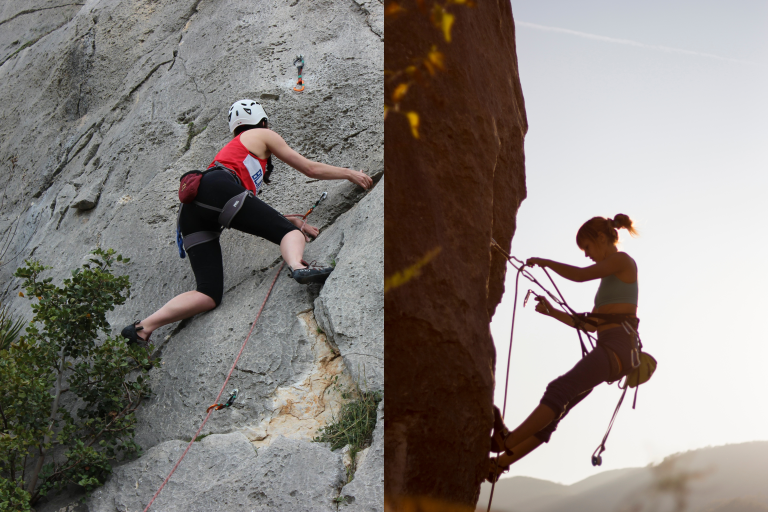
Bouldering has surged in popularity as both a recreational activity and a fitness option, leading many to question its effectiveness as a workout. Bouldering is an excellent full-body workout that builds strength, improves flexibility, and enhances cardiovascular endurance while burning between 500-900 calories per hour depending on intensity and body weight.
The activity engages multiple muscle groups simultaneously, from the forearms and shoulders to the core and legs.
Beyond the physical demands, bouldering challenges the mind through problem-solving and route planning. Each climb presents a unique puzzle that requires strategic thinking and body awareness. This mental engagement sets it apart from traditional gym workouts and keeps participants motivated to return.
Understanding how bouldering affects the body and what benefits it offers helps individuals decide if it fits their fitness goals. The sport comes with specific considerations that differ from conventional exercise routines, making it important to know what to expect before starting.
How Bouldering Functions as a Workout
Bouldering engages multiple muscle groups simultaneously while demanding constant problem-solving and body awareness. The activity combines strength training, cardiovascular conditioning, and skill development into a single session that challenges both physical and mental capacities.
What Makes Bouldering Unique Compared to Other Workouts
Bouldering differs from conventional gym exercises by requiring climbers to adapt to unpredictable movements and holds. Unlike repetitive exercises like push-ups or pull-ups, each boulder problem presents a unique sequence of movements that targets muscles from varying angles.
The workout intensity fluctuates naturally based on the difficulty of routes and rest periods between attempts. Climbers engage in short bursts of intense effort followed by recovery, creating an interval training effect without structured timing.
Traditional strength training isolates specific muscle groups, but bouldering demands coordinated activation of multiple muscles simultaneously. A single move might require grip strength, core stabilization, and leg drive all working together. This integration builds functional strength that translates to real-world movements better than isolated exercises like planks alone.
Muscle Groups Worked During Bouldering
The forearms and hands receive constant stimulation from gripping holds of various sizes and textures. Forearm strength develops rapidly as climbers maintain tension through their fingers and wrists throughout the entire climbing sessions.
Upper body strength comes from pulling motions that activate the lats, biceps, and rotator cuff muscles. The back muscles work extensively to draw the body upward and maintain position on the wall.
Core strength proves essential for maintaining body tension and transferring force between the upper and lower body. The obliques engage heavily during twisting movements and when climbers shift their center of gravity.
Lower body muscles contribute more than beginners typically expect. The glutes, hamstrings, and calves generate upward momentum and provide stability. Techniques like heel hooks place significant demands on the hamstrings and hip flexors, creating soreness similar to dedicated leg workouts.
The Role of Strength and Endurance in Climbing
Muscular endurance determines how long climbers can maintain grip and body tension before failure. Routes lasting 30-90 seconds demand sustained muscle activation that builds endurance differently than cardiovascular activities.
Grip strength fatigues quickly during climbing sessions, forcing forearm muscles to work under continuous load. This creates a burning sensation that signals the buildup of metabolic byproducts in the tissue.
Power output matters during dynamic movements called dynos, where climbers launch themselves toward distant holds. These explosive moves develop fast-twitch muscle fibers and require both strength and coordination to execute successfully.
Coordination, Balance, and Flexibility
Climbing technique relies heavily on precise foot placement and weight distribution. Climbers must maintain balance on small footholds while reaching for the next hold, engaging stabilizer muscles throughout the body.
Coordination develops as climbers learn to sequence movements efficiently and time their transitions between holds. Complex boulder problems require memorizing move sequences and executing them with fluid timing.
Flexibility becomes increasingly important on advanced routes that demand high steps, wide reaches, or unusual body positions. Hip mobility allows climbers to bring their feet up to chest height, while shoulder flexibility enables extended reaches and twisting movements. Limited range of motion restricts access to certain holds and forces climbers into less efficient positions that waste energy.
Benefits and Considerations of Bouldering as a Workout
Bouldering delivers comprehensive fitness improvements through full-body engagement, mental challenge, and moderate calorie expenditure. The sport requires minimal equipment to begin and accommodates various fitness levels through scalable difficulty.
Physical and Mental Health Benefits
Bouldering strengthens multiple muscle groups simultaneously, targeting the forearms, shoulders, back, core, and legs through dynamic movements. The constant tension required to maintain holds builds muscular endurance similar to calisthenics, while the explosive movements between holds develop power.
The problem-solving aspect engages cognitive function as climbers analyze bouldering problems and plan efficient sequences. This mental component reduces stress and improves focus beyond what traditional gym workouts typically offer.
Cardiovascular endurance improves through repeated attempts at problems, though less intensely than running or cycling. The rest periods between attempts allow for recovery while maintaining an elevated heart rate. Indoor climbing facilities provide year-round training opportunities, though outdoor bouldering offers exposure to vitamin d and varied terrain.
Calorie Burn and Weight Management
A 150-pound person burns approximately 300-400 calories per hour during moderate bouldering sessions. Intensity varies based on route difficulty, rest time, and climbing efficiency.
The sport builds lean muscle mass, which increases resting metabolic rate over time. However, bouldering alone may not produce the same calorie burn as sustained cardio activities. Weight management success depends on session frequency, intensity, and dietary habits alongside climbing practice.
Accessibility, Equipment, and Getting Started
Most people can start bouldering at a bouldering gym with rental climbing shoes and chalk as the only required equipment. Initial costs remain lower than many fitness activities since gyms provide crash pads and route setting.
Basic equipment needs:
- Climbing shoes (rental or purchase $60-150)
- Chalk and chalk bag ($15-30)
- Comfortable athletic clothing
New climbers should begin on easier problems marked by color or grade systems at their facility. A spotter can provide safety assistance during attempts, though bouldering heights typically stay under 15 feet with padded flooring. Most gyms offer introductory classes covering basic techniques, safety protocols, and movement patterns. Progressive difficulty allows climbers to advance at their own pace while avoiding injury from attempting problems beyond their current ability.